Harriers roosting together: often a spectacular sight, but still a major mystery. Why do these birds of prey congregate, and how do you accurately count such a roost? At HCI, we want to conduct more research on roosts, and that starts with proper monitoring using standardized methods.
That’s why we have created a manual with an instructional video (2025) to help you get started.
–> LEES DE HANDLEIDING Tellen van kiekendiefslaapplaatsen
(Coming soon: the English manual for roost counting)
Video: Pallid Harrier breeding in the Netherlands
On our very own YouTube channel, we bring you inspiring videos that share knowledge, tell captivating stories from the field, and celebrate the beauty of farmland birds. For example our video about pallid harrier breeding in Groningen, the Netherlands.
Two new concepts: BAM and undersowing clover
Harrier Conservation International has developed two new agricultural concepts in collaboration with Naturim, ‘Rotterdam de boer op!’ and Urgenda.
Podcasts
Listen to several podcasts about nature and agriculture.
Birdfields
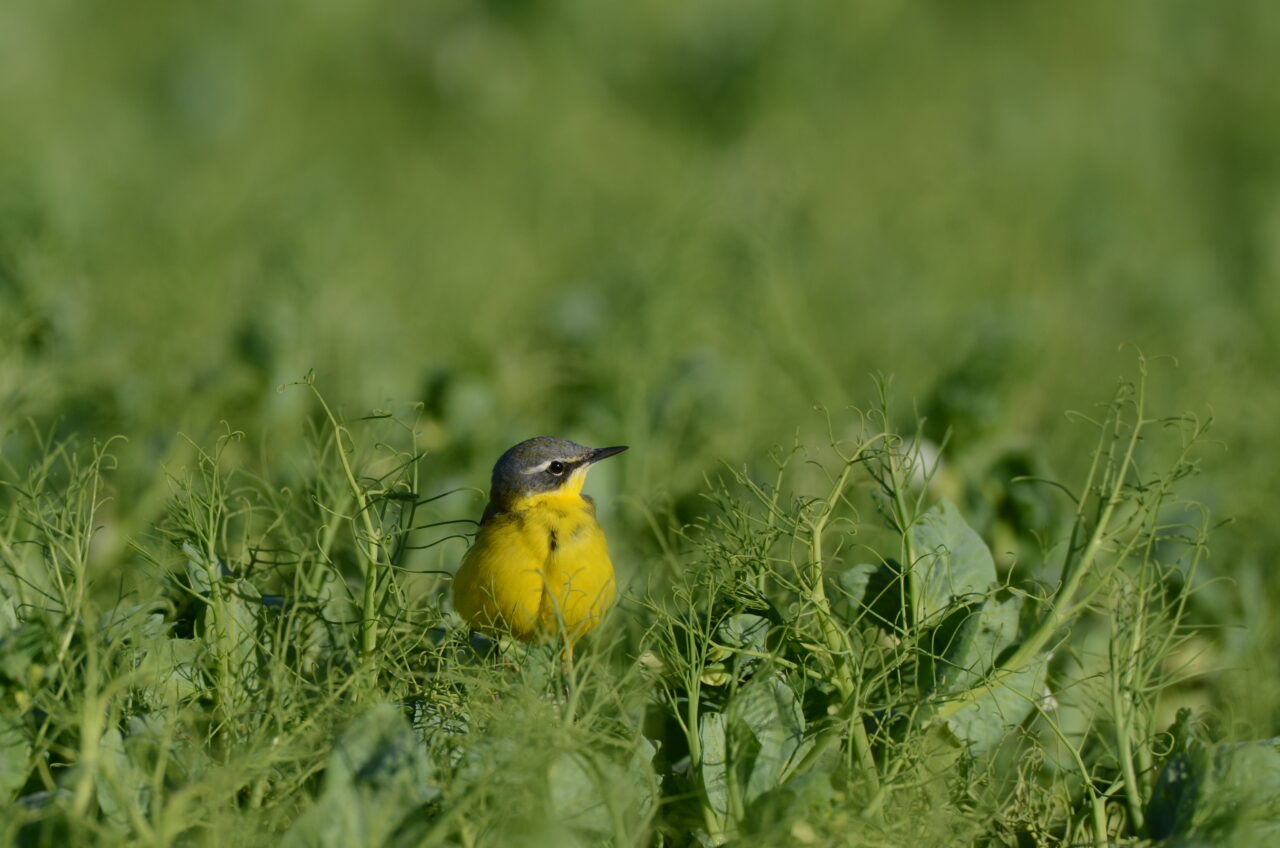
Rapidly declining farmland bird populations in agricultural areas is one of the major problems of biodiversity loss worldwide. Conservationists with an eye for science-based research are trying everything in an attempt to stop the further decline of species such as skylark, yellow wagtail and harriers. For this reason, Ben Koks developed the so-called ‘Birdfields’ in 2009 based on research with loggers. We published this research in Ibis in 2015, see also this blog: https://bou.org.uk/birdfields/ for background information.
Birdfields also attract harriers in winter and in recent years these full-field measures have been installed in many regions in the Netherlands and Belgium. However, a lot goes wrong in the management and especially the location of these birdfields, especially in the Netherlands, and the decline in the number of breeding hen harriers has not stopped. Most striking is the failure of the interaction between researchers and the people who organize the management of the Birdfields on the island of Texel. It is unfortunately only a matter of time before we lose them harriers as breeding birds in the Netherlands and we hope that in the future we will learn from these kind of money consuming projects that are of no use to the birds and where expectations are raised that are in no way for Hen’s van be value. We will also continue to tell sad stories. Hopefully we learn something from it.
Long-term examples of success in protecting farmlandbirds worldwide can be counted on the fingers of one hand. It’s time to change this and harriers can show us how to do that.
Future of Hen Harrier and Montagu's Harrier
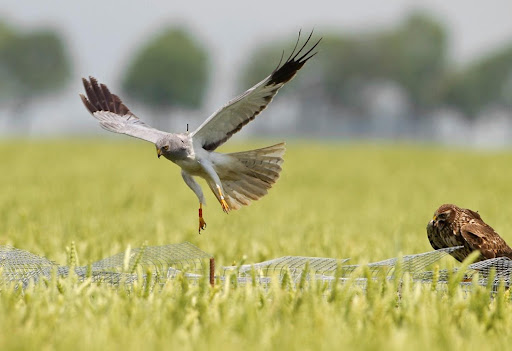
Filmmaker Hans Hut made this film in 2020 in close cooperation with a farmer in which this pair successfully raised young. It is about the first population of Hen Harriers in the Netherlands. This story started in a winter barley plot near the town of Emden (D) in 2007. 1 of the 2 young of this nest later became the grandmother of the first population of hen harriers in arable land of NE Groningen.
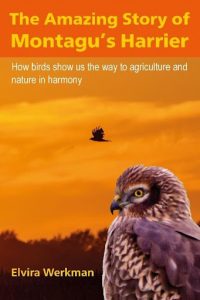
Nowadays the future of both Hen and Montagu’s harriers in the Netherlands does not look very well due to policy failure and declining interest by farmers. Harrier Conservation International will do everything it can to prevent the loss of these species, in the Netherlands and abroad. People who want to understand the extensive story, we would like to refer to the book by Elvira Werkman ‘The amazing story of Montagu’s Harrier’.
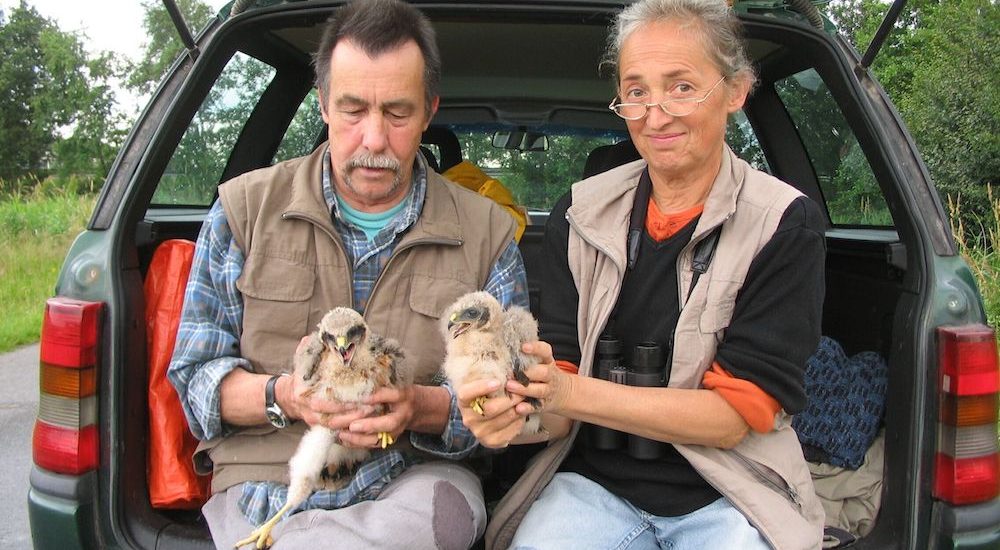
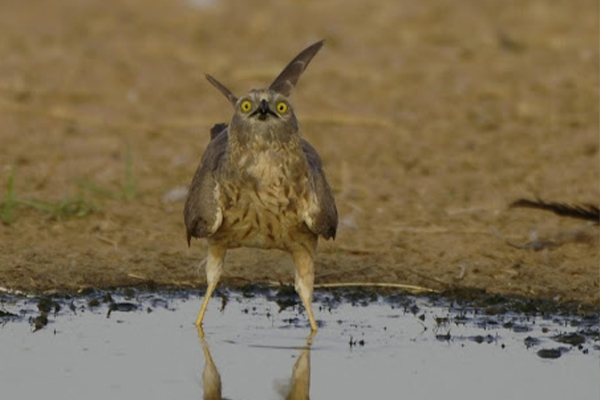
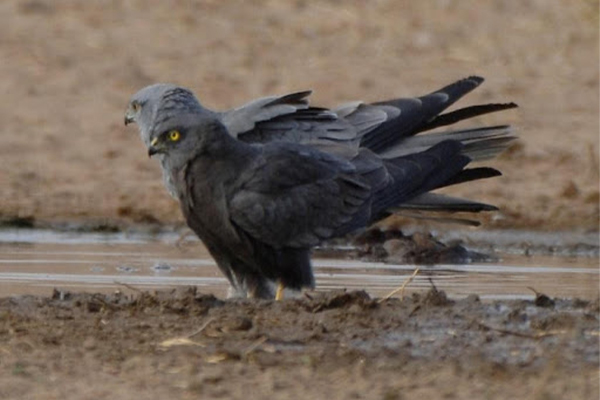
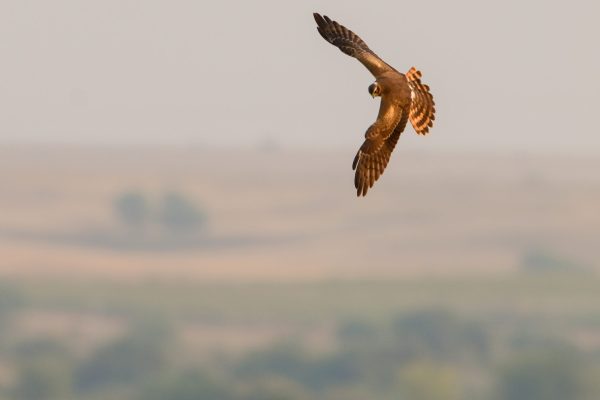
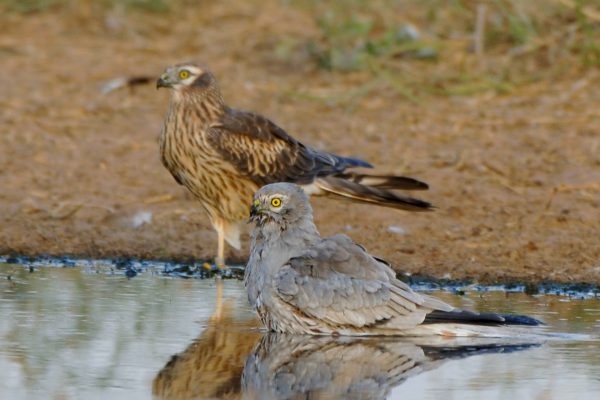
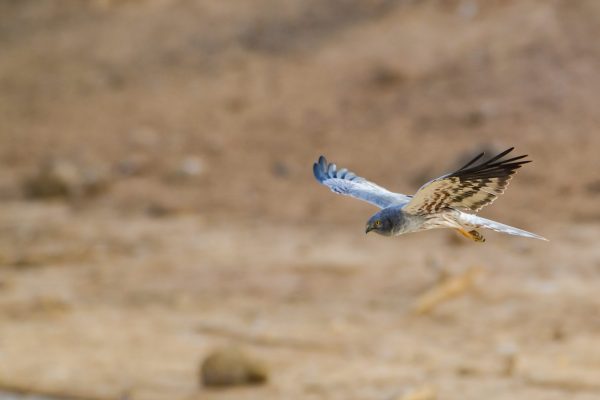
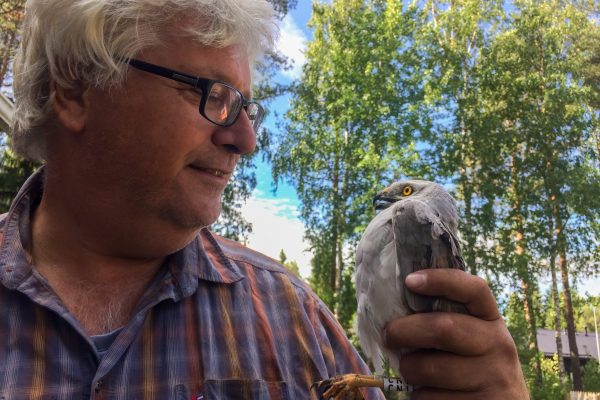
Some of our harriers

Some books related to our work
Some reading related to our work